VPNs stopped being a niche tool for security professionals a long time ago. Today, millions of people around the world use one to protect their personal data, browse the internet safely, and reach the online services they need.
Despite how widespread VPNs have become, a lot of users still aren't quite sure how they actually work or why they matter.
What is a VPN
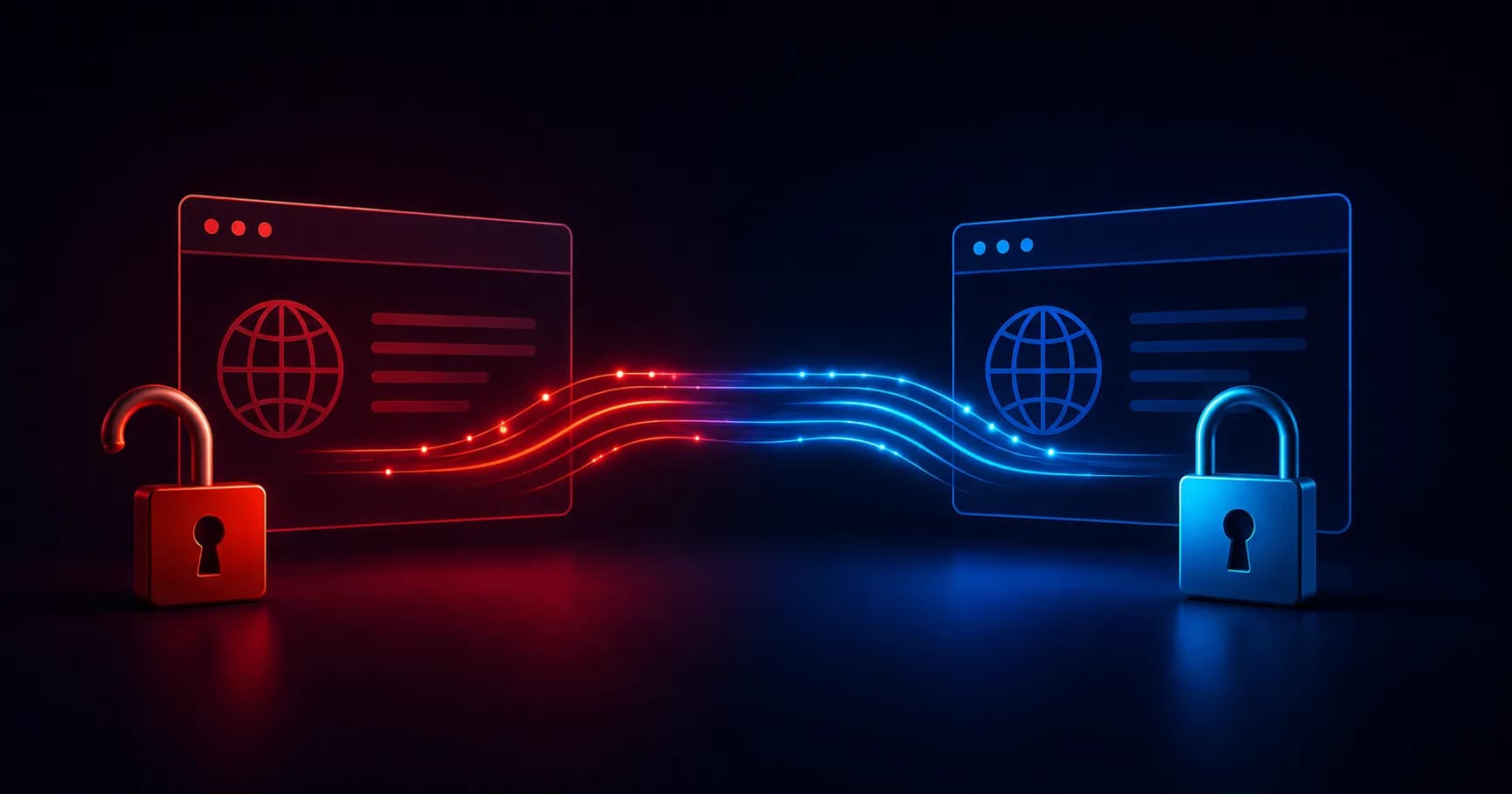
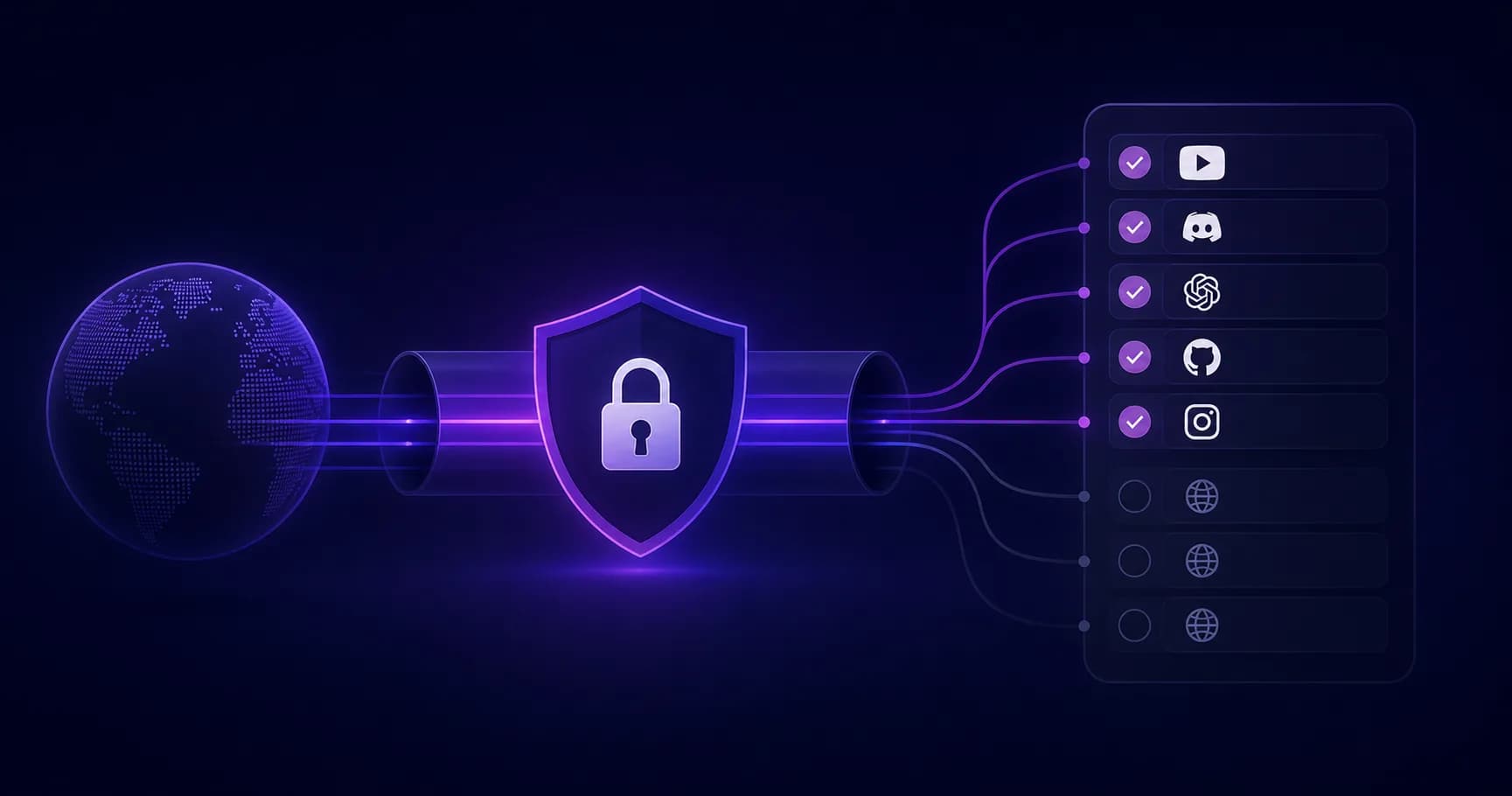
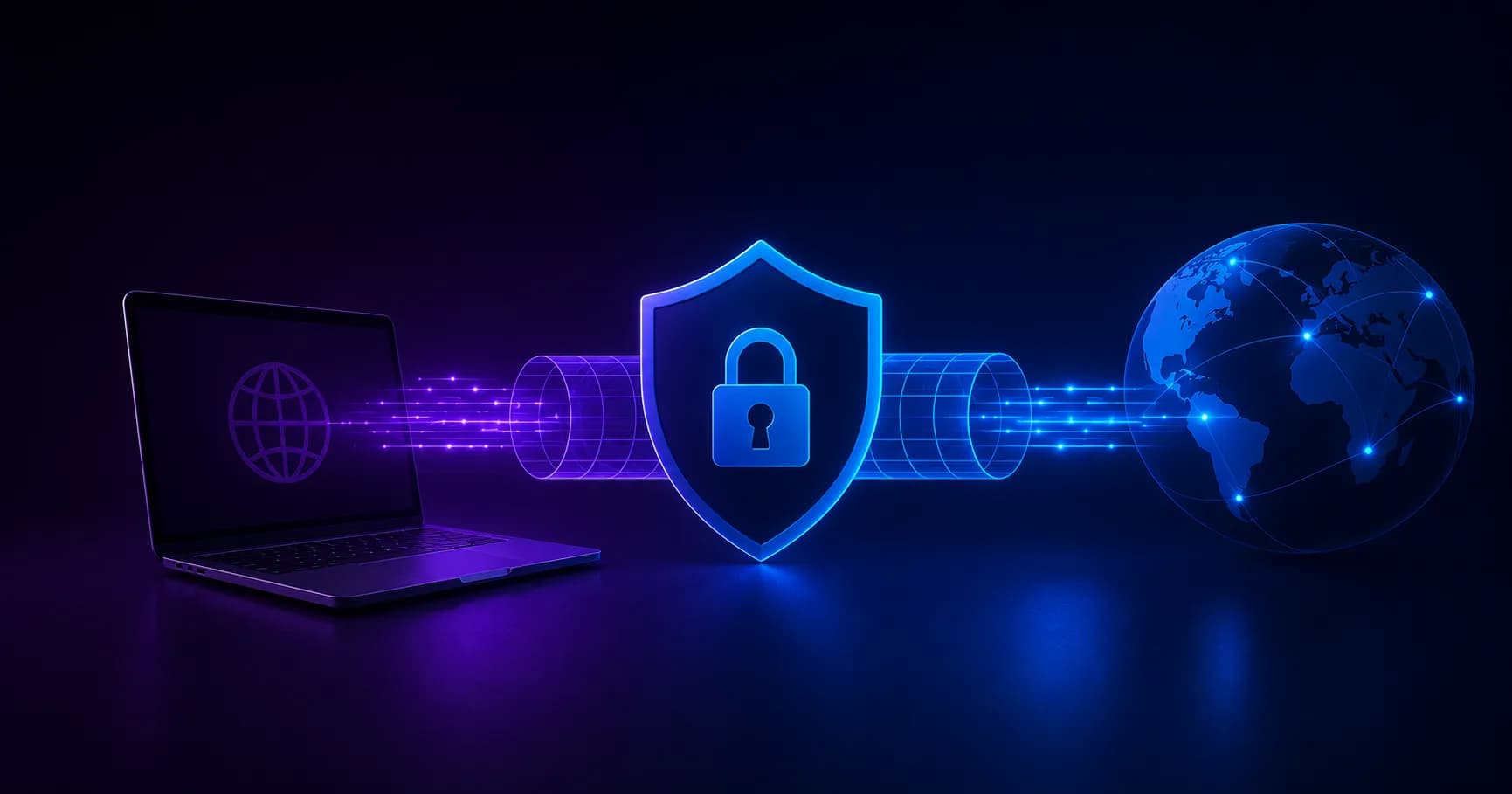
A VPN (Virtual Private Network) is a technology that creates a secure, encrypted channel between your device and a remote server.
Once connected, all of your internet traffic is routed through the VPN server first, and only then sent on to the websites and services you're trying to reach.
As a result, the sites you visit see the VPN server's IP address instead of your real one.
A VPN doesn't make you completely anonymous, but it substantially improves your privacy and security online.
How a VPN works
A VPN connection happens in a few stages:
- Your device connects to a VPN server.
- A secure, encrypted tunnel is established.
- Your internet traffic travels through that tunnel.
- The VPN server forwards your requests to the sites you want to reach.
- The responses come back through the same encrypted connection.
For the user, all of this happens automatically and takes just a couple of seconds.
What happens after you connect
Once a VPN connection is active:
- your public IP address changes;
- your internet traffic gets encrypted;
- your ISP can no longer see what's inside your connection;
- websites see the VPN server's IP instead of yours;
- your overall privacy improves.
The whole process runs quietly in the background, largely unnoticed by the user.
What people use a VPN for
VPNs are used in all kinds of everyday situations these days.
The most common ones include:
- protecting data on public Wi-Fi networks;
- boosting overall privacy;
- working remotely and securely;
- shielding internet traffic from prying eyes;
- connecting to corporate networks;
- staying safe while traveling;
- using cloud services securely.
What data a VPN protects
A VPN encrypts nearly all of the internet traffic leaving your device.
That includes:
- the websites you visit;
- your DNS requests;
- files transferred over the internet;
- messages sent through apps;
- app-level data;
- connections to remote servers.
Even if an attacker manages to intercept your traffic, reading its contents without the encryption keys is extremely difficult.
Key benefits of using a VPN
Using a VPN comes with several benefits at once.
Data protection
All internet traffic is transmitted in encrypted form.
Privacy
Your real IP address stays hidden from most websites.
Security
A VPN helps protect you when using public Wi-Fi networks.
Ease of use
Modern VPN apps let you connect with a single tap.
Common VPN protocols
Modern VPNs rely on a range of different protocols.
The most popular ones are:
- WireGuard;
- AmneziaWG;
- OpenVPN;
- IKEv2/IPsec;
- VLESS (paired with modern transports).
Each protocol has its own trade-offs in terms of speed, security, and resistance to network restrictions.
VPN vs. HTTPS — what's the difference
These two are often confused with each other.
HTTPS protects the connection between your browser and a specific website.
A VPN protects all of your device's internet traffic before it even reaches the internet.
The highest level of security comes from using HTTPS and a VPN together.
Can a VPN slow down your internet
Yes, a slight drop in speed is possible.
That's because your data:
- gets encrypted;
- passes through an extra server;
- may be routed to a different country.
That said, modern protocols like WireGuard and AmneziaWG keep that speed loss to a minimum.
Choosing the nearest VPN server and using modern protocols means most users barely notice any difference in connection speed.
When you should use a VPN
A VPN is especially useful if you:
- frequently connect to public Wi-Fi;
- work remotely;
- handle sensitive data;
- rely on cloud services;
- want to boost your online privacy;
- travel often.
For many people, a VPN has already become as much a part of everyday digital security as antivirus software or two-factor authentication.
Bottom line
A VPN is a technology that builds a secure, encrypted tunnel between your device and the internet. It boosts your security, hides your real IP address, protects your internet traffic, and gives you more privacy online. Thanks to modern protocols, VPNs remain one of the most effective tools for protecting data online — for everyday users and businesses alike.